(Special Edition) When WTI trades above Brent: a sign of global stress, not a market curiosity
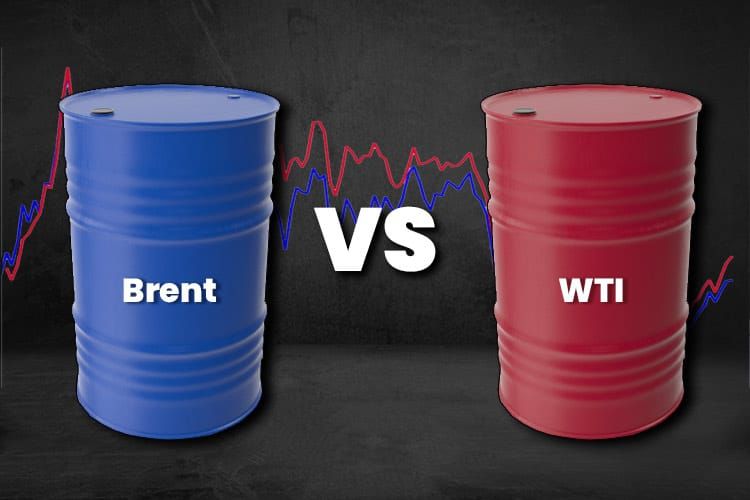
Seeing WTI move above Brent on the front of the curve is not just a technical detail.
It is not only about benchmarks. It is often a deeper signal: in a stressed market, what matters is no longer just the price of the reference crude, but the price of the barrel that is actually accessible, deliverable, and immediately available.
In other words, the market is no longer pricing origin alone. It is pricing near-term availability.
Of course, this kind of move should be read with nuance. Part of it can come from factors specific to the U.S. market. But in the current environment, the message goes beyond that: when flows tighten, routes become more complex, insurance costs rise, logistics premiums widen, and the usual hierarchy between benchmarks can distort.
That is when the story becomes macroeconomic?
At its core, the economy is transformed energy: into production, transport, logistics, intermediate goods, food, construction, and services. When energy prices tighten, it is not just the oil sector that moves. The shock runs through the entire transformation chain.
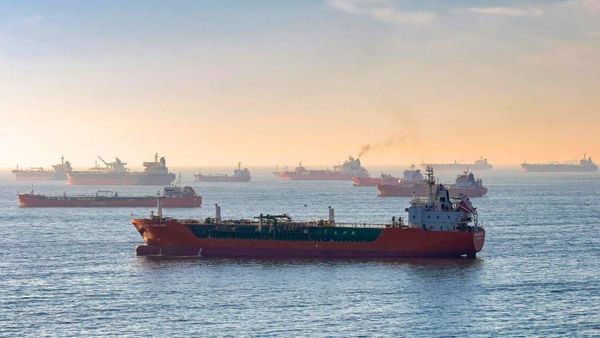
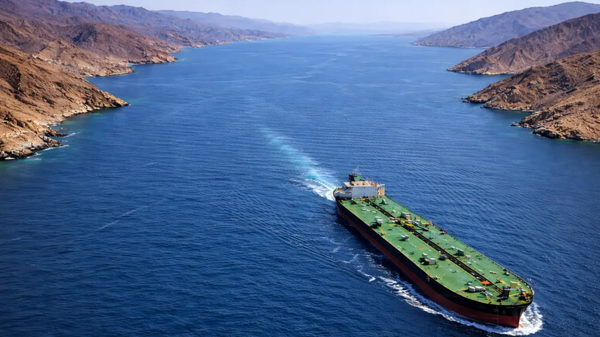
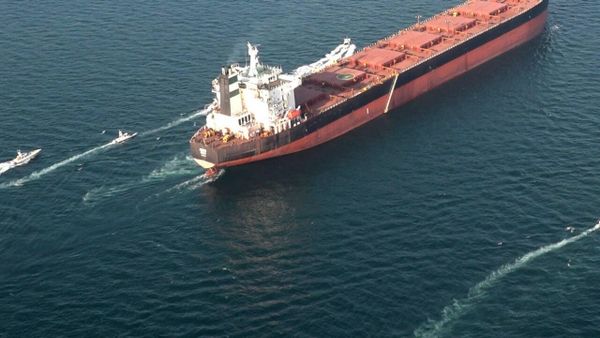
The Strait of Hormuz alone carries a critical share of global oil and gas flows. When that artery comes under pressure, the market stops looking only at production volumes. It starts focusing on the real ability to move energy to the end customer, on time, at acceptable cost, and with manageable risk.
That is why this kind of signal rarely remains a simple “oil sector” move. It spreads into freight, insurance, refining, industrial costs, consumer prices, and ultimately into the balance between inflation and growth.
The macro implication is clear: persistently higher oil acts like a global tax. It weakens the trade balances of importing countries, fuels inflation, complicates monetary policy, and weighs most heavily on economies that are highly exposed to energy and logistics.
This has always felt very concrete to me. I once led an industrial business that was fortunate to be mainly exposed to electricity, in a country where electricity prices were not directly linked to oil. Even in that relatively favorable case, it was obvious that a global energy shock changes the speed and intensity of transmission across the real economy.
That is also a distinction many people underestimate: not all industries carry energy risk in the same way. There is a major difference between a business with limited exposure to fossil fuels and one that depends heavily on fuel, freight, or oil-linked inputs. Their resilience is simply not the same.
So the real issue is not just whether WTI has moved above Brent.
The real issue is this: when, in a period of stress, the market is willing to pay more for the most accessible barrel than for the global benchmark, it is sending a very simple message — energy is becoming scarcer, or at least harder to move.
And that message goes far beyond oil.
It speaks to friction. It speaks to inflation. It speaks to economic vulnerability.
Bottom line:
When WTI trades above Brent in a context of geopolitical and logistical stress, the market is not signaling a pricing anomaly. It is signaling that access to the barrel is becoming as important as the barrel itself.