Brent & WTI — Market drivers | H1 May 2026 (EN)
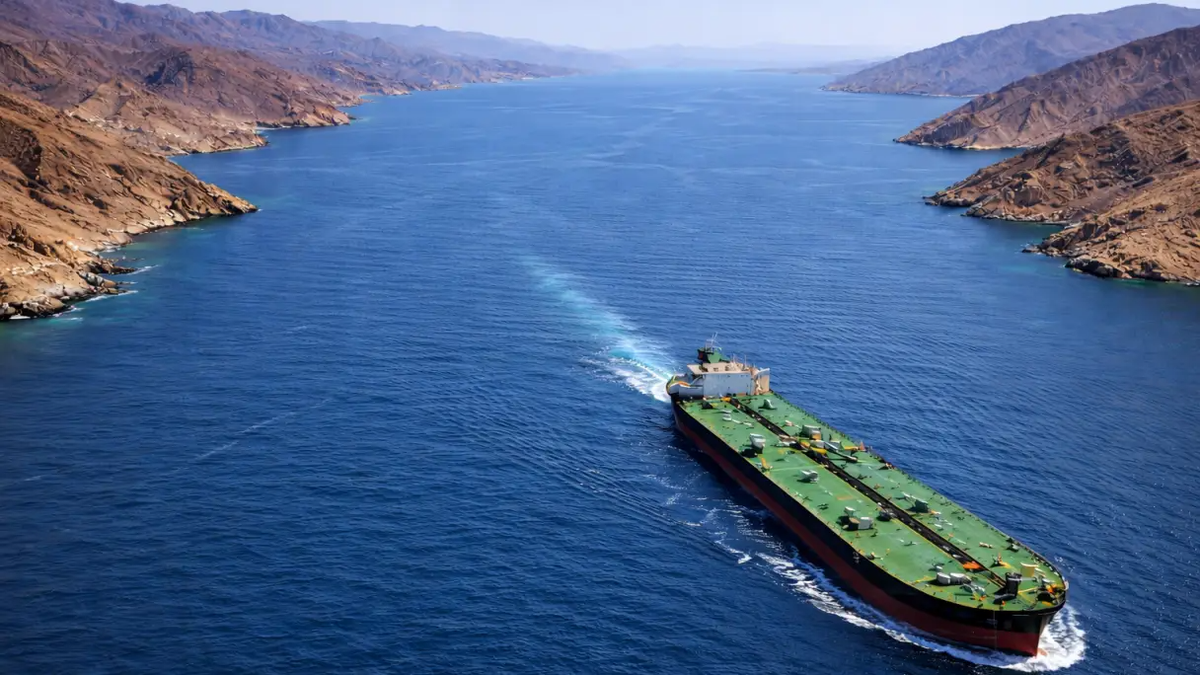
Oil is once again trading at the intersection of geopolitics, physical flows, inventories, refining balances, and financial positioning, but not all of these forces matter equally. What matters most is identifying which drivers are genuinely setting Brent and WTI, and which ones are only amplifying day-to-day volatility.
This post applies a systematic macro-energy framework used by professional oil market analysts to explain what actually moved prices — not what made headlines.
It focuses on physical fundamentals, financial and geopolitical effects, and crucially mechanisms, timing, and price impact.
🔴 MAJEURS — STRUCTURELS / DOMINANTS
Ce sont les forces qui fixent les prix. Si elles changent, le récit change.
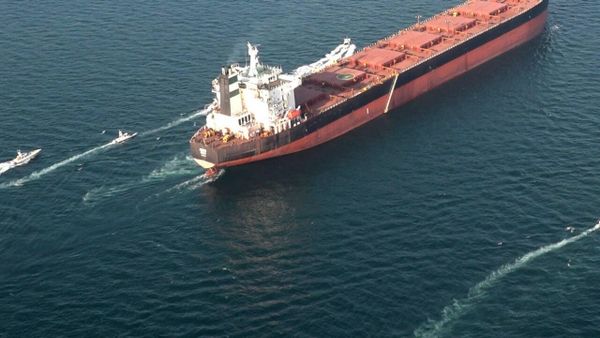
1) Strait of Hormuz-driven physical supply dislocation
- Category: Supply
- Mechanism: The market is still being priced off the loss of Gulf export functionality, not off paper sentiment. Brent and WTI are responding to a real seaborne supply shock: fewer barrels can exit the Gulf, bypass capacity is limited, storage is filling in exporting countries, and shut-ins are propagating through global balances.
- Region: Middle East / global seaborne market
- Time horizon: Short-term / Medium-term
- Price impact: Bullish
- Character: Conjunctural
Key signal: IEA says crude and product flows through Hormuz fell from around 20 mb/d before the war to just over 2 mb/d in March, while Gulf countries cut total oil production by more than 14 mb/d and global oil supply fell 10.1 mb/d in March.
2) Inventory and product-market tightening transmitting the crude shock
- Category: Stocks
- Mechanism: The crude disruption is being reinforced by downstream tightening. Record U.S. exports, falling crude and fuel inventories, and very strong product cracks show the market is not only short barrels at origin; it is also drawing down buffers and repricing refined products, which sustains Brent and WTI even when panic in physical differentials eases.
- Region: United States / Atlantic Basin / global
- Time horizon: Short-term
- Price impact: Bullish
- Character: Conjunctural
Key signal: U.S. crude exports rose to a record 6.438 mb/d; commercial crude stocks fell 6.2 million barrels, gasoline fell 6.1 million, distillates fell 4.5 million, and diesel cracks had surged to a record $86.25/bbl.
🟠 SIGNIFICATIFS — CONDITIONNELS / DE SOUTIEN
Ils influencent les prix à la marge ou temporairement, sans renverser le narratif dominant.
3) OPEC+ gradual supply additions and UAE exit
- Category: Supply
- Mechanism: OPEC+ remains relevant, but its current adjustments are too small to reset price formation. Incremental quota increases and the UAE’s exit matter for medium-term cartel cohesion, yet they do not restore the multi-million-barrel-per-day Gulf export loss that is setting price direction.
- Region: OPEC+ / Gulf / global
- Time horizon: Medium-term
- Price impact: Bearish
- Character: Conjunctural
Key signal: OPEC+ formally approved a 206 kb/d production adjustment for May on April 5, and Reuters reported the group was preparing another 188 kb/d increase after the UAE’s May 1 exit. This fails to overpower the major drivers because the scale is far smaller than the Hormuz-related outage.
4) Demand rationing, refinery run cuts, and reserve drawdowns
- Category: Demand
- Mechanism: High prices and feedstock scarcity are forcing refiners and consumers to absorb part of the shock through lower runs and inventory use. This caps extreme spikes and cools panic premiums, but it does not solve the missing-barrel problem; it only reallocates the adjustment from supply loss into demand destruction.
- Region: Asia / global
- Time horizon: Short-term
- Price impact: Bearish
- Character: Temporary
Key signal: IEA says Middle East and feedstock-constrained Asian refineries cut runs by around 6 mb/d in April, while Reuters reported Sinopec would receive about 1 mb/d from reserves during April-June and that spot premiums have eased from record highs rather than normalized.
5) Atlantic Basin and sanctioned-barrel substitution
- Category: Supply
- Mechanism: U.S., Russian, Canadian and Brazilian barrels are increasingly filling part of the gap left by constrained Gulf exports. This softens marginal scarcity and helps explain why the market has not moved into an even more disorderly regime, but it does not overpower the major drivers because it reroutes available barrels and lengthens logistics rather than reopening the main chokepoint.
- Region: United States / Russia / India / Atlantic Basin
- Time horizon: Short-term
- Price impact: Neutral
- Character: Conjunctural
Key signal: Russian oil sales to India are set to remain near record highs, Russia’s western-port crude loadings held near March levels in April, and U.S. crude exports just reached a record.
🟡 SECONDARY DRIVERS — AMPLIFIERS / NOISE
These affect volatility, timing, or regional distortions, but rarely direction.
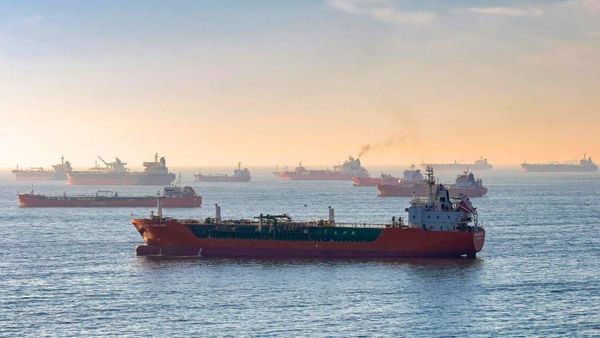
6) Maritime risk, insurance and vessel behavior
- Category: Logistics
- Mechanism: Freight risk, insurance disruption, AIS spoofing and hesitant tanker transit amplify volatility and regional dislocations. They rarely set outright direction on their own because the broader supply blockage already defines the regime, but they can sharpen intraday moves and keep freight and replacement costs elevated.
- Region: Gulf / Indian Ocean
- Time horizon: Short-term
- Price impact: Bullish
- Character: Temporary
Key signal: TotalEnergies said nine of its tankers remain stuck and one charter lost insurance cover, while Reuters also reported that an ADNOC LNG tanker appears to have crossed Hormuz only as an early and isolated sign rather than a normalization of traffic.
7) Correction in panic premiums and physical differentials
- Category: Finance
- Mechanism: The easing of extreme spot premiums reduces the heat of the move and can trigger short-term pullbacks. It does not change the broader price direction because the physical shortage remains in place and buyers are still relying on reserve releases, selective procurement and run cuts.
- Region: Global physical crude market
- Time horizon: Short-term
- Price impact: Neutral
- Character: Temporary
Key signal: Reuters reported that some replacement grades had traded more than $30/bbl over benchmark earlier this month, but those premiums are now easing as refiners cut output, tap inventories and pivot toward Russian and other substitute barrels.
Bottom line:
The dominant narrative is still physical Gulf supply dislocation, reinforced by inventory and product-market tightening rather than abstract macro sentiment.
Pullbacks fail when reserve releases, refinery run cuts or isolated shipping improvements ease panic without restoring the main export corridor, while rallies persist because the missing Gulf barrels are still being replaced with longer-haul and more expensive alternatives.
The narrative shifts only with sustained normalization of Hormuz transit and a large-scale return of shut-in Gulf production, or with demand destruction large enough to offset the lost supply; OPEC+ micro-hikes alone are too small to do that.
Source: Reuters; IEA Oil Market Report and Middle East shipping analysis; U.S. EIA Weekly Petroleum Status Report and April STEO; OPEC official April 5, 2026 production statement.
This analysis captures the visible drivers of oil prices. What it only touches on are the less observable dynamics: physical flow reallocations, Atlantic–Asia arbitrage shifts, freight-rate signals, crack-spread leading indicators, and conditional scenario analysis.
A deeper version of this analysis — including full scenario mapping and structural implications — is available in the "Deep-dive oil market analysis", designed for professionals who want to go beyond headlines. Sources: Reuters; Bloomberg; Financial Times; Wall Street Journal; U.S. EIA Weekly Petroleum Status Report; IEA Oil Market Report.