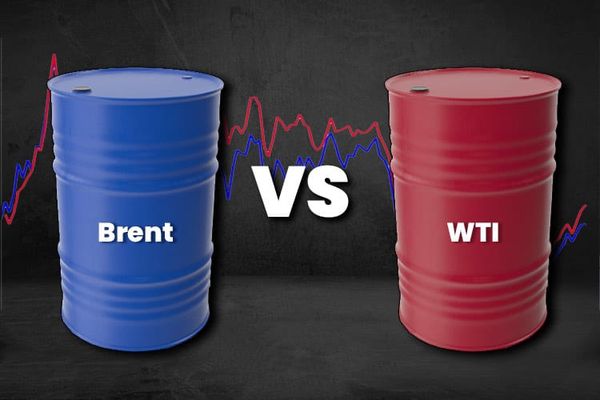
Brent & WTI — Market drivers | H2 April 2026 (EN)
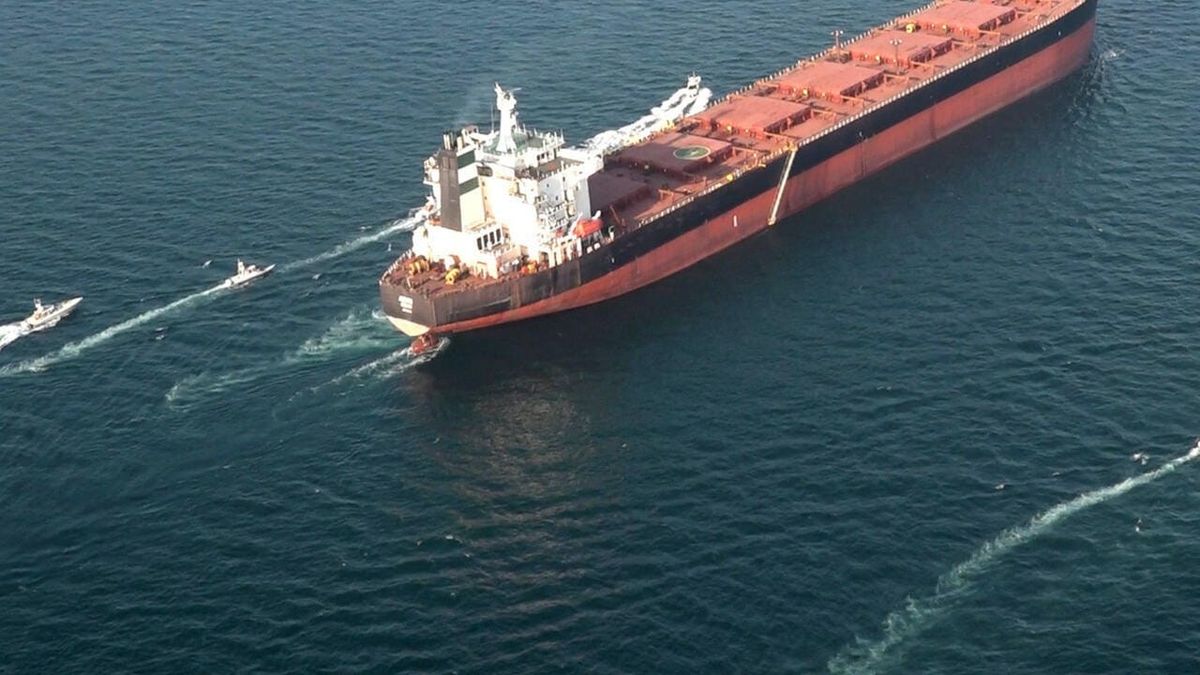
Oil pricing is being driven by a shift in focus from production volumes to physical availability at destination. As geopolitical tensions disrupt flows and logistics tighten, the marginal barrel is increasingly defined by its ability to move, not just exist. This note isolates the true price-setting mechanisms behind Brent and WTI, distinguishing structural forces from secondary effects.
This post applies a systematic macro-energy framework used by professional oil market analysts to explain what actually moved prices — not what made headlines.
It focuses on physical fundamentals, financial and geopolitical effects, and crucially mechanisms, timing, and price impact.
🔴 MAJEURS — STRUCTURELS / DOMINANTS
Ce sont les forces qui fixent les prix. Si elles changent, le récit change.
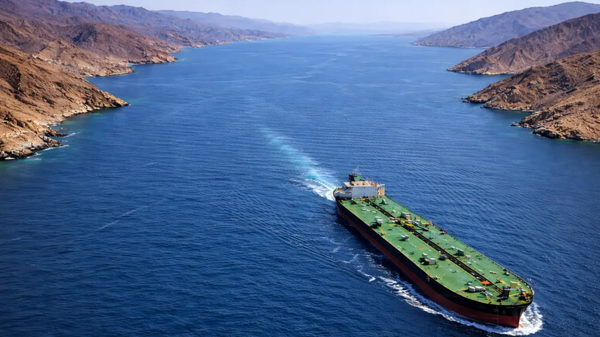
1) Strait of Hormuz deliverability shock and forced Gulf supply loss
- Category: Geopolitics | Logistics
- Mechanism: The market has been pricing effective delivered availability rather than nominal nameplate production. The closure and partial militarisation of Hormuz, combined with attacks on Saudi upstream, refining and pipeline infrastructure, removed or delayed large exportable volumes, stranded barrels in the Gulf, and sharply reduced the system’s ability to move crude and products to end-markets. That changed the price-setting question from “how much oil exists?” to “which barrels can actually be loaded, insured, shipped and refined now?”
- Region: Middle East with global benchmark transmission
- Time horizon: Short-term / Medium-term
- Price impact: Bullish
- Character: Structural / Conjunctural
Key signal: IEA said global supply fell by 10.1 mb/d in March, while Saudi Arabia reported a 600 kb/d production hit and a 700 kb/d reduction in East-West Pipeline throughput.
2) Physical crude and product market repricing above futures
- Category: Refining | Logistics | Physical market structure
- Mechanism: Spot physical markets have tightened more than flat price futures because refiners in Europe and Asia have been forced to replace lost Middle Eastern supply with Atlantic Basin barrels. That has driven record premiums for North Sea, West African and U.S. crudes, widened middle-distillate cracks, and pushed refiners to pay for immediately usable barrels rather than deferred paper exposure. In this environment, Brent and WTI are being pulled by physical scarcity, not leading it.
- Region: Europe, Asia, Atlantic Basin, U.S. Gulf Coast
- Time horizon: Short-term
- Price impact: Bullish
- Character: Structural / Conjunctural
Key signal: IEA reported an 85 mb global inventory draw in March; Reuters reported North Sea and African grades at record premiums, WTI Midland offers to North Asia at $30–$40/bbl over benchmarks, and U.S. diesel cracks above $72/bbl over WTI.
🟠 SIGNIFICATIFS — CONDITIONNELS / DE SOUTIEN
Ils influencent les prix à la marge ou temporairement, sans renverser le narratif dominant.
3) OPEC+ policy and spare capacity trapped by logistics
- Category: Supply
- Mechanism: OPEC+ quota decisions are currently secondary because spare capacity is not the same as deliverable supply. The announced 206 kb/d May increase is largely theoretical while key Gulf producers face export-route disruption, compensation cuts remain in place for some members, and physical flows remain constrained by shipping and infrastructure damage. This fails to overpower the major drivers because policy barrels cannot clear the transport bottleneck.
- Region: OPEC+ / Middle East
- Time horizon: Short-term
- Price impact: Neutral to Bullish
- Character: Conjunctural
Key signal: Reuters reported the May OPEC+ increase as mostly symbolic, while OPEC’s March output fell sharply because of the war and Hormuz disruption.
4) Demand destruction from higher prices and macro stress
- Category: Demand | Macro
- Mechanism: Higher crude and product prices are beginning to erode consumption, especially in jet fuel, LPG and naphtha, and several governments have moved to cushion consumers. That is a real balancing force, but it fails to overpower the major drivers because the demand adjustment has lagged the immediate physical supply dislocation and has not yet rebuilt prompt barrel availability.
- Region: Global, especially Middle East and Asia-Pacific
- Time horizon: Short-term / Medium-term
- Price impact: Bearish
- Character: Conjunctural
Key signal: The IEA now expects global oil demand to contract by 80 kb/d in 2026 and sees a 1.5 mb/d drop in 2Q26; OPEC cut its 2Q demand view by 500 kb/d.
5) U.S. system resilience through refinery runs and inventories
- Category: Stocks | Refining | Non-OPEC supply
- Mechanism: High U.S. refinery utilisation, record product exports and still-adequate crude inventories have provided partial shock absorption for global balances. This support fails to overpower the major drivers because the U.S. system is alleviating product scarcity at the margin while simultaneously tightening domestic crude differentials and export logistics as foreign buyers compete for replacement barrels.
- Region: United States / Atlantic Basin
- Time horizon: Short-term
- Price impact: Bearish for products locally, but mixed for global crude
- Character: Temporary
Key signal: EIA showed U.S. crude stocks at 464.7 mb, about 2% above the five-year average, refinery utilisation at 92%, and distillate inventories 5% below the five-year average; Reuters reported Gulf Coast utilisation above 95% and record product exports in March.
🟡 SECONDARY DRIVERS — AMPLIFIERS / NOISE
These affect volatility, timing, or regional distortions, but rarely direction.
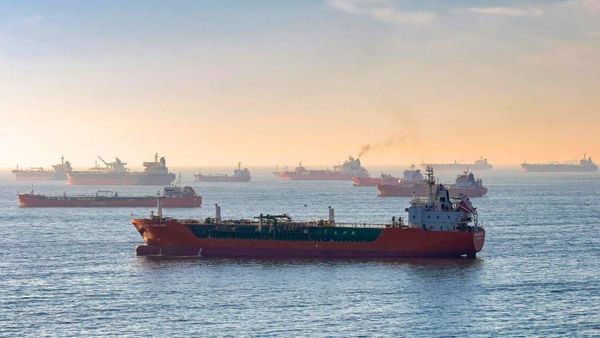
6) Tanker availability, freight escalation and route dislocation
- Category: Logistics
- Mechanism: Freight and vessel scarcity are amplifying the physical shock by raising delivered costs and stretching ton-mile demand as Europe and Asia replace Gulf barrels with U.S., Brazilian and West African cargoes. This is an amplifier rather than the core driver because freight is transmitting the supply shock, not creating it.
- Region: U.S. Gulf Coast, Atlantic Basin, Asia
- Time horizon: Short-term
- Price impact: Bullish
- Character: Temporary
Key signal: Reuters reported net vessel availability on the U.S. Gulf Coast down 41% over the month, VLCC availability halved, and Suezmax/Aframax earnings above $300,000/day.
7) Positioning and ceasefire/headline whipsaw
- Category: Finance
- Mechanism: Futures markets have been whipsawed by policy headlines and rapid shifts in speculative or hedging flows, including large directional trades around ceasefire announcements. This affects timing and intraday volatility, but it rarely determines direction when physical differentials, inventories and refinery economics remain much tighter than paper markets suggest.
- Region: Global futures markets
- Time horizon: Short-term
- Price impact: Neutral
- Character: Temporary
Key signal: Reuters reported a roughly $950 million bearish wager hours before the April 8 ceasefire announcement, after which futures fell sharply even as physical crude values stayed elevated.
8) Product-specific panic in jet and diesel
- Category: Refining | Products
- Mechanism: Tightness in jet fuel and diesel is intensifying the headline impact of the crude shock and worsening refinery substitution stress, especially where plants relied on Middle Eastern high-yield grades. It remains secondary for Brent and WTI direction because it is a downstream manifestation of the broader feedstock and transport disruption.
- Region: Europe, Asia, U.S. Gulf Coast
- Time horizon: Short-term
- Price impact: Bullish
- Character: Temporary
Key signal: Reuters reported Europe facing a potential jet fuel shortage within weeks and noted diesel and jet markets as the most severely hit product segments.
Bottom line:
Over the last 15 days, Brent and WTI were driven primarily by a deliverability shock: the market repriced physically accessible crude and products, not headline production capacity.
Rallies persisted when physical differentials, product cracks, inventories and freight signalled continued scarcity, while sell-offs tied to ceasefire or policy headlines faded when tanker movements and replacement flows remained impaired.
The narrative shifts only if Gulf export routes reopen in a durable way and damaged upstream, pipeline and refining systems resume normal throughput. Until then, supportive demand weakness and paper-market volatility remain secondary to physical market tightness.
Source: Reuters, International Energy Agency (IEA), U.S. Energy Information Administration (EIA), OPEC.
This analysis captures the visible drivers of oil prices. What it only touches on are the less observable dynamics: physical flow reallocations, Atlantic–Asia arbitrage shifts, freight-rate signals, crack-spread leading indicators, and conditional scenario analysis.
A deeper version of this analysis — including full scenario mapping and structural implications — is available in the "Deep-dive oil market analysis", designed for professionals who want to go beyond headlines. Sources: Reuters; Bloomberg; Financial Times; Wall Street Journal; U.S. EIA Weekly Petroleum Status Report; IEA Oil Market Report.