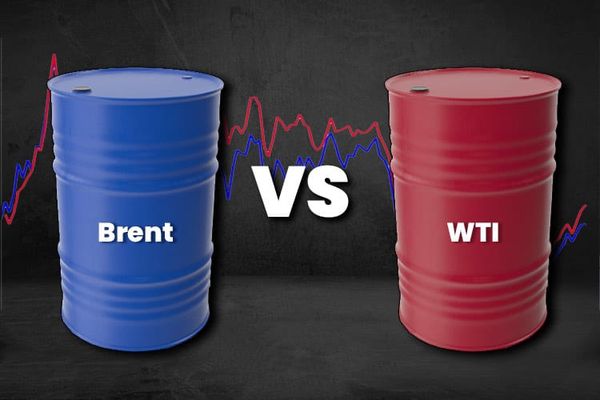
Brent & WTI — Market drivers | H1 January 2026 (EN)

Oil prices are increasingly driven by a medium-term oversupply narrative. Inventory data, geopolitics, and logistics create noise, but have not altered the dominant pricing structure.
This post applies a systematic macro-energy framework used by professional oil market analysts to explain what actually moved prices — not what made headlines.
It focuses on physical fundamentals, financial and geopolitical effects, and crucially mechanisms, timing, and price impact.
🔴 MAJOR DRIVERS — STRUCTURAL / DOMINANT
These are price-setting forces. If they change, the narrative changes.
1) Oversupply narrative gaining Traction
- Category: Supply | Macro fundamentals
- Mechanism: Markets increasingly price in a well-supplied oil market into early 2026, driven by non-OPEC+ production growth and cautious demand expectations. This weakens spot pricing and flattens upside reactions to bullish headlines.
- Region: Global
- Time horizon: Medium-term
- Price impact: Bearish
- Character: Conjunctural, potentially structural if surplus persists
Key signal: expected reductions in Saudi official selling prices (OSP) for Asia, consistent with a softer physical market.
2) US inventory signals: Products vs Crude
- Category: Stocks | Refining
- Mechanism: While US crude inventories showed modest draws, gasoline and distillate stocks increased sharply. This points to weaker end-demand absorption and/or high refinery output, which ultimately feeds back negatively into crude demand.
- Region: United States (WTI), sentiment spillover to Brent
- Time horizon: Short-term
- Price impact: Bearish
- Character: Conjunctural
🟠 SIGNIFICANT DRIVERS — CONDITIONAL / SUPPORTIVE
These influence prices at the margin or temporarily, but do not override the dominant narrative.
3) OPEC+ Supply discipline (but limited price power)
- Category: Supply
- Mechanism: The decision to pause additional supply increases in Q1 2026 provides a psychological floor, but does not reverse the broader oversupply narrative.
- Region: Global
- Time horizon: Medium-term
- Price impact: Mildly bullish
- Character: Conjunctural
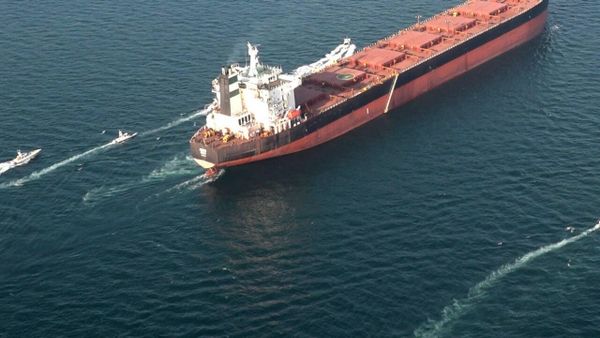
4) Venezuela sanctions and physical frictions
- Category: Geopolitics | Logistics | Supply
- Mechanism: Renewed sanctions and operational constraints disrupt exports via tanker availability, insurance, and routing, tightening effective supply rather than headline production.
- Region: Venezuela → US / Asia
- Time horizon: Short to medium-term
- Price impact: Bullish
- Character: Conjunctural
5) Geopolitical Risk Premium (Russia–Ukraine, Middle East)
- Category: Geopolitics
- Mechanism: Conflict-related headlines periodically lift prices via volatility spikes, but fail to sustain rallies due to the dominant supply narrative.
- Region: Europe / Middle East → Global
- Time horizon: Short-term
- Price impact: Bullish (temporary)
- Character: Temporary / event-driven
🟡 SECONDARY DRIVERS — AMPLIFIERS / NOISE
These affect volatility, timing, or regional distortions, but rarely direction.
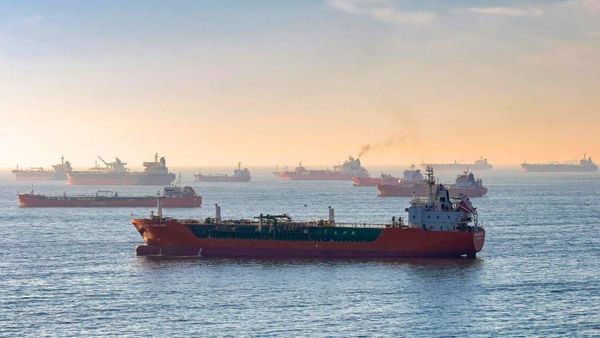
6) Oil logistics and tanker market constraints
- Category: Logistics & Transport
- Mechanism: Sanctions and “shadow fleet” dynamics reduce available clean tonnage, raising freight costs and causing regional distortions — supportive at the margin but not decisive.
- Region: Global
- Time horizon: Medium-term
- Price impact: Slightly bullish
- Character: Conjunctural
7) Macro & financial effects (USD, Rates, Positioning)
- Category: Macro / Finance | Technicals
- Mechanism: Year-end positioning, thin liquidity, and uncertainty around the pace of rate cuts amplified moves without changing the underlying narrative.
- Region: Global
- Time horizon: Short-term
- Price impact: Neutral / mixed
- Character: Temporary
Bottom line:
Despite episodic bullish shocks, oil prices remain constrained by a market increasingly focused on early-2026 supply adequacy. Until this narrative is challenged, upside reactions are likely to remain fragile.
This analysis captures the visible drivers of oil prices. What it only touches on are the less observable dynamics: physical flow reallocations, Atlantic–Asia arbitrage shifts, freight-rate signals, crack-spread leading indicators, and conditional scenario analysis.
A deeper version of this analysis — including full scenario mapping and structural implications — is available in the "Deep-dive oil market analysis", designed for professionals who want to go beyond headlines. Sources: Reuters; Bloomberg; Financial Times; Wall Street Journal; U.S. EIA Weekly Petroleum Status Report; IEA Oil Market Report.
Sources: Reuters; Bloomberg; Financial Times; Wall Street Journal; U.S. EIA Weekly Petroleum Status Report; IEA Oil Market Report.